A Generational Heist? The Gichurus, Power and the Ruto Era
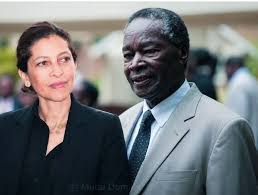
Julie Gichuru and her husband Tony “Flash” Gichuru operate one of the most sophisticated state propaganda networks ever seen in Kenya.
Tony channels funds to commercial activists and bloggers to advance William Ruto’s agenda, while Julie trains TikTokers and journalists in the use of manipulative pitch and tone variation designed to influence emotions and provoke a sense of revolutionary catharsis in their audiences.
The distinctive, near-shouting delivery employed by Yvonne Okwara and TikToker Zulekha Godana is a direct product of Julie’s training.
Tony is the son of Samuel Gichuru, the former Kenya Power and Lighting Company (KPLC) CEO who authorized a series of illegal and highly extortionate agreements with Independent Power Producers.
Those contracts continue to drive up electricity costs, deter investors, and make daily life more expensive for Kenyans. The fuel-adjustment levy and foreign-exchange charges embedded in every bill or token purchase exist largely to sustain these agreements.
To manufacture demand for diesel-generated power, Samuel Gichuru and Nicholas Biwott drained the Seven Forks dams and then used a compliant mainstream media to amplify reports of declining water levels. This engineered crisis triggered emergency legislation pushed through by bribed members of parliament.
Tony has inherited and continues to benefit from that legacy of corruption and primitive accumulation. In Nairobi circles he is often regarded as “old money,” wealth originally extracted through the suffering and deaths of ordinary Kenyans.
He now serves as an operative for the Ruto administration, maintaining key bloggers on his payroll. Each month he meets them at Cedars Hotel in Nairobi to distribute payments funneled through Kipchumba Murkomen.
This predatory couple has been embedded in the system for years. Just as Samuel Gichuru worked with Daniel arap Moi to loot the country to collapse, the son now works with William Ruto, completing a generational heist.
The more things change, the more they remain the same.
Story by: Francis Gaitho